Description
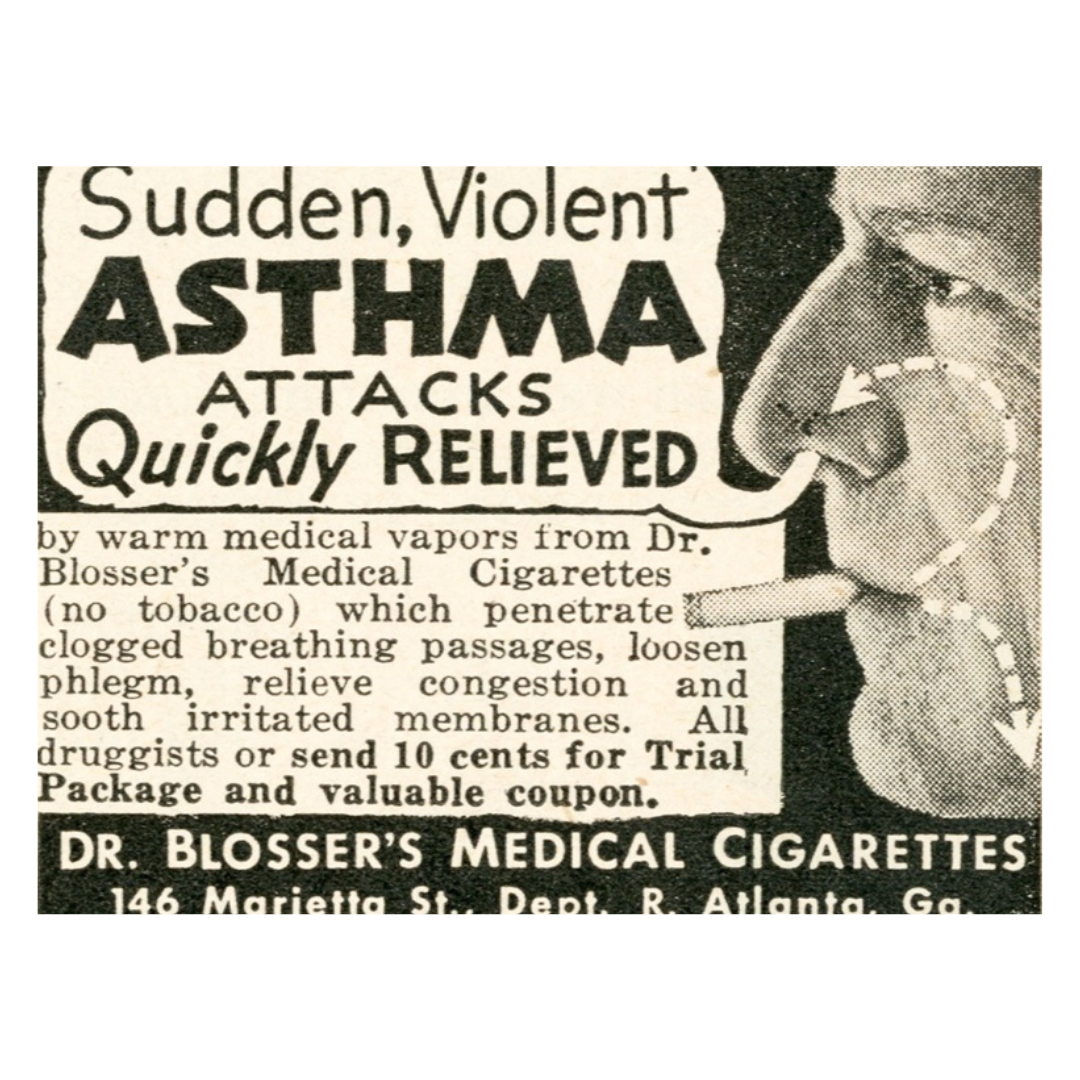
This ad doesn’t ease you in. It hits you first.
“Sudden, Violent Asthma Attacks” is written to stop you cold. The language is urgent, dramatic, and intentionally alarming. It speaks directly to fear, fear of not breathing, fear of losing control, fear of something happening right now.
The product isn’t introduced as a convenience. It’s positioned as a lifeline.
How It Works
The persuasion here is built on immediacy and authority.
The problem is framed as dangerous and sudden. The solution is framed as fast, medical, and precise. Diagrams, arrows, clinical language, everything is designed to make the product feel scientific and trustworthy, even though the claims wouldn’t hold up today. Instead of asking you to compare options, the ad collapses the decision-making process. If you’re scared enough, you won’t ask questions. You’ll act. That was the strategy.
How It Can Be Reused (as a Lesson, Not a Model)
Today, this ad works as a cautionary case study in fear-based marketing. It shows how urgency can override skepticism, and why modern regulations exist to protect consumers from exaggerated or misleading medical claims. The lesson isn’t “do this again.” The lesson is understanding how emotional leverage works when audiences are vulnerable, and why ethical boundaries matter.
This ad isn’t remembered because it helped people.
It’s remembered because it reveals how far persuasion once went.