
Crafting effective ad copy is both an art and a science.
Copywriters often grapple with major challenges: finding the perfect tone that resonates with audiences, creating headlines that grab attention instantly, and designing a call-to-action (CTA) that compels immediate response.
These hurdles can lead to devastating outcomes like eroded customer trust, skyrocketing bounce rates, dismal conversion numbers, and long-term damage to a brand’s reputation.
But imagine turning these obstacles into opportunities. By drawing inspiration from some of the most iconic ads in history, we can uncover proven strategies to write ad copy that doesn’t just inform but transforms browsers into loyal customers with a single, decisive click.
This guide dives deep into seven timeless tips for writing ad copy, each illustrated by legendary campaigns that have shaped industries and cultures.
These are rooted in real stories of creativity, risk-taking, and triumph.
It doesn’t matter if you’re a seasoned marketer or a budding copywriter, these insights will equip you to create ad copy that stands out in a crowded digital landscape.
1. Lead With a Big, Clear Promise

One of the foundational principles in crafting compelling ad copy is starting strong with a promise that captures the imagination.
Think about De Beers‘ legendary slogan: “A Diamond Is Forever.” This isn’t just a tagline; it’s a narrative that redefined an entire gemstone industry.
Back in the 1940s, diamonds weren’t the ubiquitous symbol of love they are today. The market was struggling post-Depression, and De Beers, a South African mining company, needed a way to boost demand.
Now, Frances Gerety, a young copywriter at N.W. Ayer & Son advertising agency. Late one night in 1947, exhausted after a long day, she scribbled “A Diamond Is Forever” on a notepad.
The next morning, she presented it almost apologetically, but it stuck.
What made this ad copy revolutionary? It didn’t dwell on the diamonds’ rarity, cut, or cost, features that could alienate budget-conscious buyers. Instead, it wove a promise of eternal love, commitment, and legacy into the fabric of human relationships.
The campaign launched in 1948 and transformed global culture. Suddenly, diamonds became synonymous with marriage proposals.
By the 1950s, over 80% of engagement rings in the U.S. featured diamonds, up from just 10% a decade earlier.
This ad copy sold an aspiration, a promise that love could be immortalized in a sparkling stone. The emotional hook made price irrelevant; couples weren’t buying a rock, they were investing in forever.
Applying this to your own ad copy, focus on the transformation your product offers.
For instance, if you’re promoting a fitness app, don’t lead with “Track your workouts.” Instead, promise “Unlock the confident, energetic you that’s been waiting inside.”
This shifts the focus from features to outcomes, making your ad copy irresistible. Lessons from De Beers: When your promise taps into deep emotions like identity or legacy, objections fade away.
Always prioritize a crystal-clear outcome over mere details. This approach has been emulated in modern campaigns, like Airbnb’s “Belong Anywhere,” which promises not just lodging but a sense of home in foreign lands.
By leading with such a promise, your ad copy becomes a beacon, drawing in audiences who see their dreams reflected in your words.
2. Make the Reader the Hero (Not Your Brand)
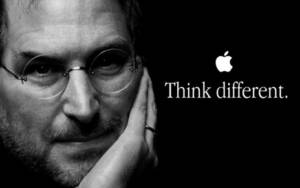
Great ad copy empowers the audience, positioning them as the protagonist in their own story.
Apple‘s “Think Different” campaign exemplifies this masterfully, turning a tech company into a catalyst for personal rebellion and innovation.
In 1997, Apple was on the brink of collapse. Steve Jobs had just returned as CEO, and the company needed a revival.
The “Think Different” ad copy, created by TBWA\Chiat\Day, didn’t boast about gigabytes or processor speeds, common pitfalls in tech advertising.
Instead, it featured black-and-white portraits of trailblazers: Albert Einstein scribbling equations, Mahatma Gandhi marching for freedom, Pablo Picasso painting masterpieces, and Muhammad Ali defying odds in the ring.
The voiceover narrated, “Here’s to the crazy ones… Because the people who are crazy enough to think they can change the world are the ones who do.” Apple subtly implied: If you use our products, you’re part of this elite group of misfits and geniuses.
This ad copy flipped the script. Apple wasn’t the hero; it was the sidekick enabling your greatness. By using “you” language implicitly through association, it made consumers feel seen and inspired.
The campaign not only saved Apple but propelled it to iconic status, boosting stock prices and rekindling brand loyalty. Sales surged, and “Think Different” became a cultural mantra.
In your ad copy, avoid self-centered narratives like “We’re the best at X.”
Instead, say, “Imagine revolutionizing your world with tools that amplify your unique vision.”
This hero’s journey framework, drawn from Joseph Campbell’s storytelling principles, makes your product indispensable without stealing the spotlight.
Lessons here: Never make your brand the star, let the customer shine. Use more “you” than “we” to illustrate life improvements.
This technique echoes in today’s ads, like Dove’s empowerment messages or Nike’s athlete-focused stories, proving that empathetic ad copy builds lasting connections.
Also check: Swipe File: 31 SaaS Ad Copy Examples that Sold the Product
3. One Core Idea Per Ad

Clutter kills conversion, which is why laser-focused ad copy wins. Dollar Shave Club’s “Our Blades Are F**ing Great” video ad stripped everything down to one audacious idea, disrupting an entire industry overnight.
Founded in 2011 by Michael Dubin, Dollar Shave Club targeted men’s grooming with humor and simplicity.
Their debut video, scripted and starred by Dubin, clocked in at under two minutes but packed a punch. It didn’t pitch a luxurious shave or celebrity endorsements. The core message? “You’re overpaying for razors.” With witty lines like “Do you think your razor needs a vibrating handle?
That’s not a razor; that’s a gimmick,” it attacked overpriced competitors head-on. The ad highlighted affordable subscriptions delivered to your door, using humor to reinforce the single enemy: unnecessary expenses.
This ad copy exploded virally, garnering millions of views and subscribers within days.
Unilever acquired the company for $1 billion in 2016, a testament to its impact. By building every element, jokes, visuals, and CTA, around one idea, it avoided dilution and maximized memorability.
For your ad copy, identify one problem and one solution. If selling software, don’t list 10 features; hammer home “End endless meetings with our one-click collaboration tool.” Lessons: Every ad should combat one foe and champion one fix.
This singularity creates punchy, effective ad copy that’s easy to remember and act on. Modern equivalents, like Warby Parker’s anti-expensive-eyewear stance, show how this tip endures.
4. Emotion First, Logic Second

Ad copy that stirs the heart before engaging the mind is unbeatable. Nike’s “Just Do It” slogan, born in 1988, is a prime example of emotional primacy driving action.
Dan Wieden of Wieden+Kennedy drew inspiration from a convicted murderer’s last words, “Let’s do it”, twisting it into “Just Do It.”
Nike’s ads depicted athletes in raw moments: sweating through pain, overcoming failure, tasting victory.
They evoked pride, motivation, and belonging without delving into shoe specs like cushioning or durability. The emotional surge, fear of missing out, desire for achievement, came first, making logic (product benefits) secondary.
This ad copy catapulted Nike from a running shoe brand to a global empire, with sales jumping 30% in the first year. It tapped universal feelings, turning viewers into doers.
In crafting ad copy, lead with stories that ignite feelings: “Feel the rush of breaking barriers.”
Features follow if needed. Lessons: Emotionless ad copy fails to motivate; if it doesn’t move people, it won’t move products.
This principle fuels campaigns like Always’ “#LikeAGirl,” proving emotion trumps facts.
Related: 5 legendary ads and what copywriters can learn from them
5. Specificity Beats Generality
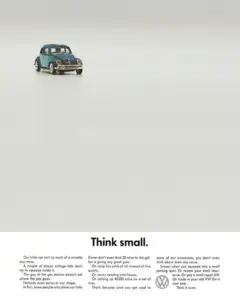
Vague ad copy erodes trust; specifics build it. Volkswagen’s 1959 “Think Small” campaign turned a perceived flaw into a strength through honest details.
In post-war America, big cars symbolized success. Doyle Dane Bernbach’s ad for the Beetle countered with self-deprecating humor: “Think Small.”
It highlighted concrete perks, fuel efficiency (32 mpg), easy parking, reliability, without fluff. Black-and-white photos showed the tiny car dwarfed by white space, emphasizing modesty.
This ad copy resonated, selling over 21 million Beetles worldwide. Specificity made it credible amid hype.
Apply this: Instead of “Great service,” say “24/7 support with 2-minute response times.” Lessons: Details foster honesty; specificity clarifies and convinces.
It’s seen in ads like Geico’s “15 minutes could save you 15%.”
6. Show, Don’t Tell (Use Proof)
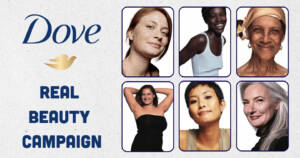
Credibility in ad copy comes from demonstration, not declaration. Dove’s “Real Beauty” campaign in 2004 showcased authenticity over airbrushed ideals.
Unilever’s Dove challenged beauty standards by featuring everyday women, diverse sizes, ages, ethnicities, with real stories and unretouched photos. Billboards asked, “Wrinkled or Wonderful?” proving inclusivity through visuals.
This ad copy boosted sales by 700% and sparked global conversations on self-esteem.
In your work, use testimonials, demos, or data: “See how 10,000 users transformed their routines.”
Lessons: Demonstrate trust; show results, not claims. This authenticity drives brands like Patagonia.
7. End With One Clear Action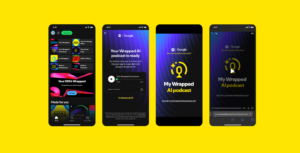
Powerful ad copy closes with a frictionless CTA. Spotify’s “Wrapped” campaign directs users seamlessly.
Launched annually, “Get Wrapped” prompts users to view personalized music summaries via app notifications and ads. This ad copy drives massive engagement, with billions of shares.
Craft CTAs like “Claim your free trial now and start saving.” Lessons: Remove choices to boost conversions; make steps rewarding. It’s the blueprint for high-performing ad copy.
Why Great Ads Win Where Others Fail
Legendary ad copy succeeds through intentionality, right tone, captivating headlines, decisive CTAs.
When aligned, they create impact; when not, they falter. These seven tips, from emotional promises to clear actions, turn ad copy into conversion machines.
Armed with them, you’re crafting strategically, ensuring your ad copy doesn’t just get seen, it gets results.